Railroad Conductor vs. Locomotive Engineer: What Each Does
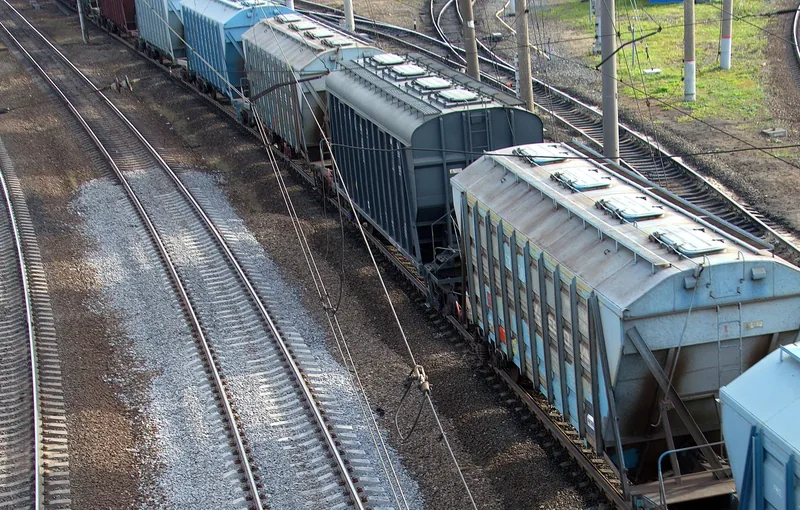
A locomotive engineer operates the train, while a conductor coordinates the crew's work and can handle duties involving the cargo or passengers.

A locomotive engineer operates the train, while a conductor coordinates the crew's work and can handle duties involving the cargo or passengers.
A transit bus driver carries passengers along a route while keeping track of stops, helping riders board and communicating about delays.
A logistician helps an organization plan how goods move from suppliers to the people or facilities that need them.
A transportation engineer helps turn a travel problem into a road design that can be built and maintained.
A surveyor helps a road project team work from precise measurements of the site, including the location of important features, the shape of the ground and…
Transportation planners help communities and agencies choose how to improve travel by studying the problem, comparing options and explaining what each option…
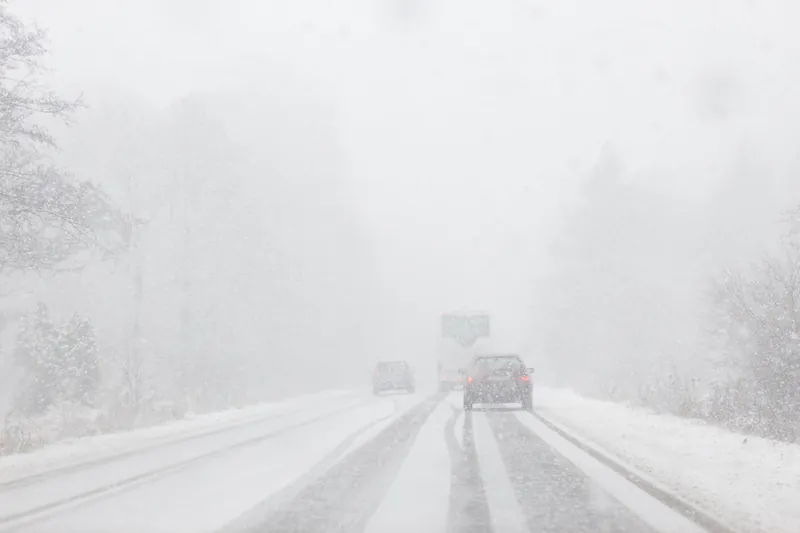
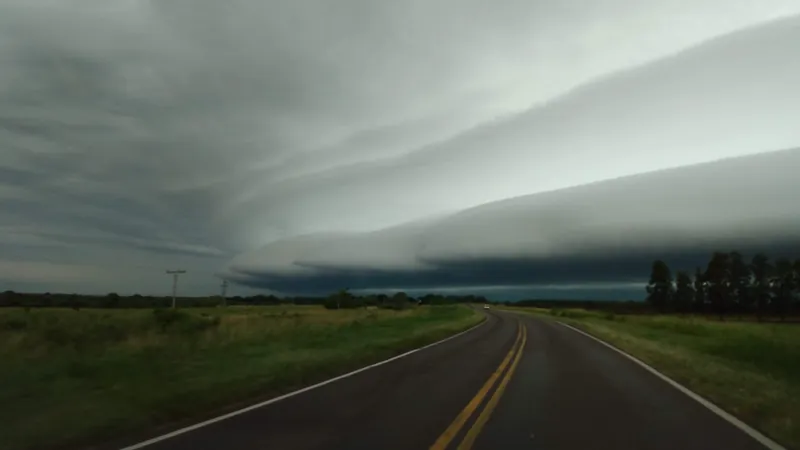
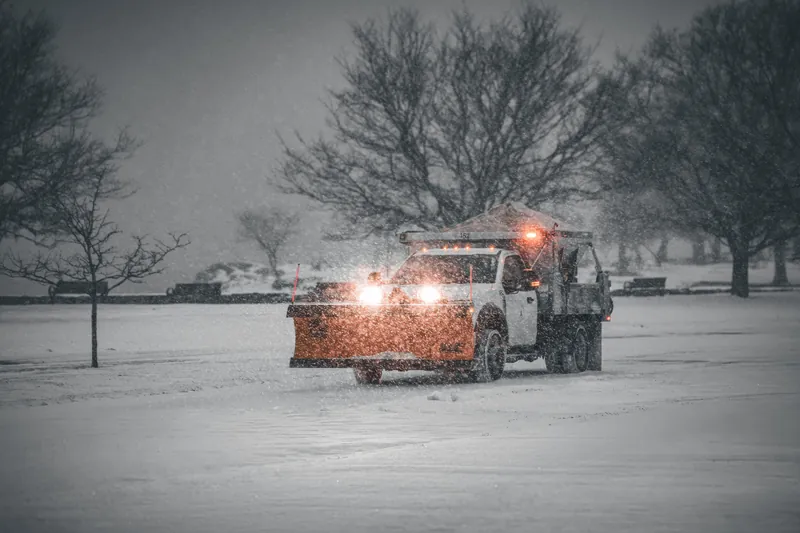
If a snow squall warning covers the area where you plan to drive, delay departure until the squall has passed.
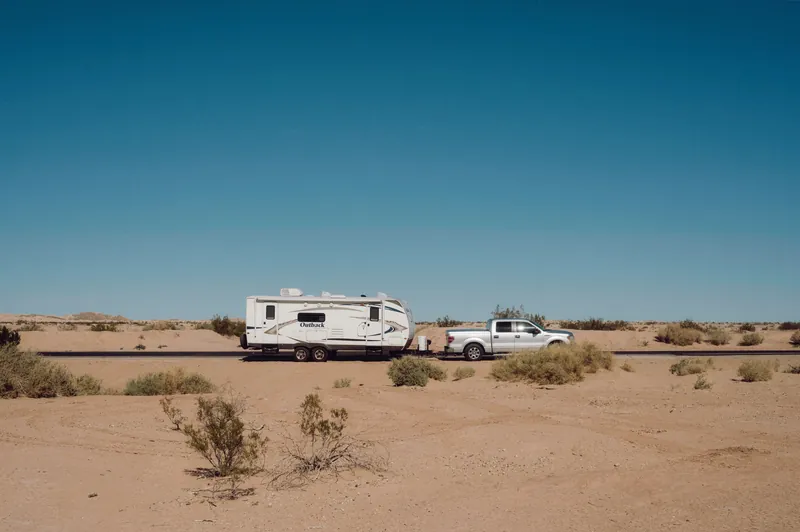
If high winds are forecast along your route, consider rescheduling your trailer or RV trip.
If a Dense Fog Advisory covers your driving route, delay the trip if you can.
Check the hourly forecast for the places you expect to pass through at the times you expect to reach them.
U.S. drivers planning a winter road trip can use the type, location and timing of a weather alert to decide whether to prepare, revise the trip or postpone it.
Vehicles and Safe Owner Guides
Compare NHTSA’s frontal crash stars and Overall Vehicle Scores only for vehicles in the same class and within 250 pounds of each other.
Vehicles and Safe Owner Guides
Use the EPA fuel economy label to compare gasoline vehicles, then track miles and gallons to see what you get on your own drives.
Vehicles and Safe Owner Guides
Enter your vehicle identification number, or VIN, on the NHTSA recalls page to check for unrepaired safety recalls listed for that vehicle.
Vehicles and Safe Owner Guides
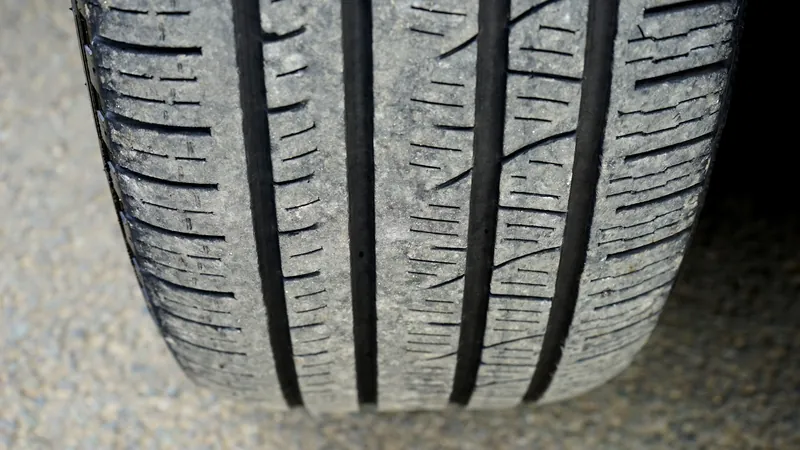
With your vehicle parked, look for shallow tread, uneven wear and visible damage on each tire.
Vehicles and Safe Owner Guides
Read the tire grades when you want to compare treadwear, wet braking and heat resistance.
Vehicles and Safe Owner Guides
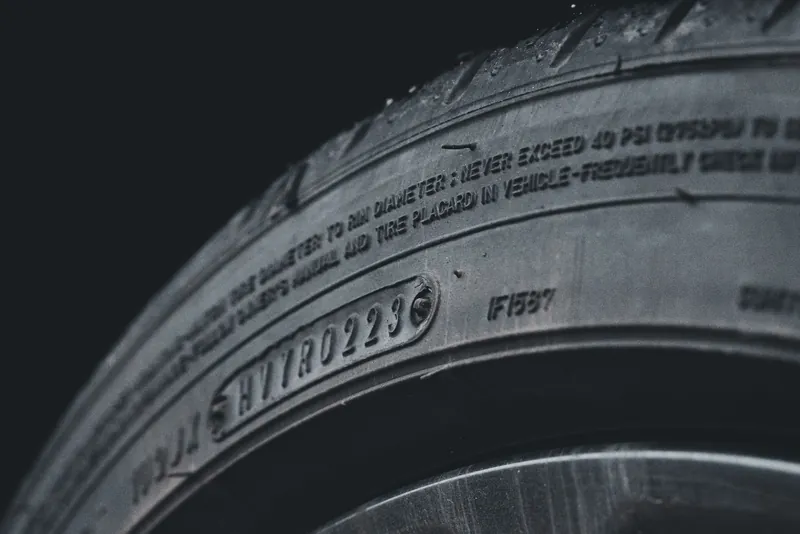
For a passenger car or light truck, find the recommended cold tire pressure on the vehicle’s tire placard or in its owner’s manual.
In U.S. national crash statistics, NHTSA classifies a crash as speeding-related when any driver was charged with a speeding offense or police identified…
An early U.S. traffic fatality estimate is a projection that NHTSA can make before it finishes compiling that year’s crash records.
An intersection crash total can include crashes inside a junction, crashes tied to traffic entering or leaving it, or a broader set that includes driveway…
The Crash Report Sampling System (CRSS) estimates how many motor vehicle traffic crashes are reported to police in the United States.
Annual average daily traffic (AADT) is the average number of vehicle passages per day at a road location over a reporting year.
When comparing U.S. road fatality figures, use the count to see how many people died and the rate to compare deaths relative to how much people drove.