
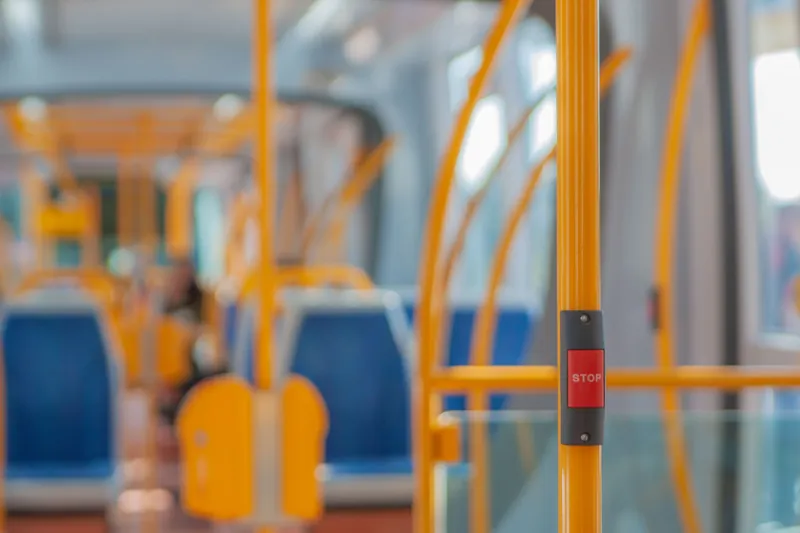
A transit bus driver carries passengers along a route while keeping track of stops, helping riders board and communicating about delays. If you are considering the job, ask which routes you would work, when shifts start and whether you would regularly cover weekends or early mornings.
The work starts with the bus and the route
Drivers may make basic checks of equipment such as lights and tires. The shift then follows a planned route and a timetable, with designated pickup and drop-off points. A route assignment matters because it tells you where your work happens and when. When interviewing, ask what a driver does first at the depot and who receives a report about a vehicle problem. Bureau of Labor Statistics, Bus Drivers
Working with passengers is part of every trip
At stops, drivers help riders, including people with disabilities, get on and off the bus. They follow safety procedures and keep passengers informed if a trip is delayed. A job can therefore require attention to the road and clear communication with passengers during the same shift. Ask whether new drivers practice boarding assistance, passenger announcements and the process for reporting a delay during training. Bureau of Labor Statistics, Bus Drivers
Check the type of service and the training path
Transit service can involve shifts during early mornings, evenings or weekends. Intercity or charter work can involve longer trips, with some drivers spending a night away from home. The Bureau of Labor Statistics identifies a commercial driver's license as a requirement and says some drivers earn it during training. Check the employer's listing for its exact eligibility and training arrangements. Compare the schedule as carefully as the vehicle or the route. Bureau of Labor Statistics, Bus Drivers