
A transportation engineer helps turn a travel problem into a road design that can be built and maintained. If you are comparing transportation engineering jobs, ask which part of a project you would work on. A job developing designs from surveys can feel very different from one checking work at a construction site.
Before design, find out what the site allows
Suppose a community wants to improve a road approaching a busy intersection. An engineer might review existing plans, maps and survey measurements before drawing an option. Where does the pavement slope? Which features limit the space available? Those questions turn a broad goal into a set of design constraints that the team can work with. Civil engineers can also study nearby traffic patterns and estimate the cost of materials, equipment and labor. Bureau of Labor Statistics, Civil Engineers
A road design has to tell crews what to build
Lines on a drawing can describe where features go, but the drawing can also show how high they sit and how the ground slopes between them. Civil engineers use design software to prepare plans. Depending on the project, they may work on the site layout, grading or stormwater drainage, and help prepare documents for required permits. A person considering a design job can ask whether a new hire spends most of the week building drawings, reviewing calculations or coordinating with other disciplines. Bureau of Labor Statistics, Civil Engineers
Find out who stays involved through construction
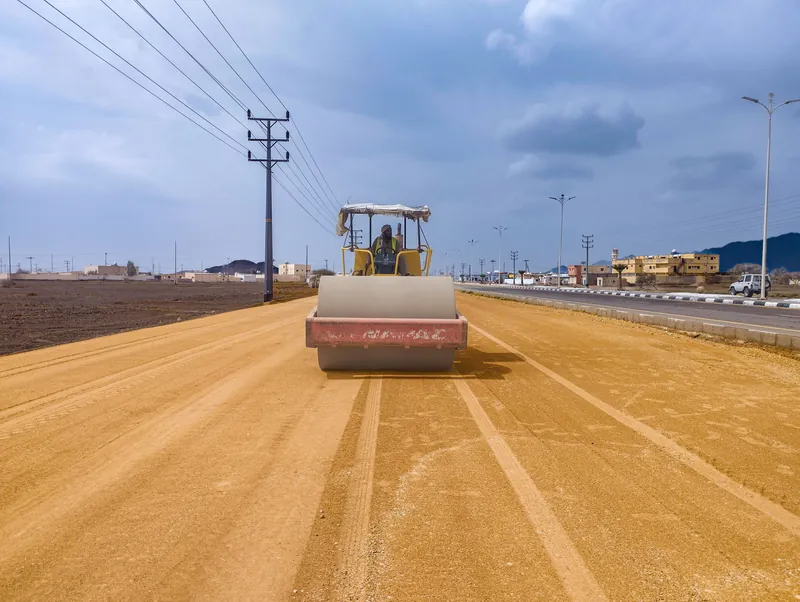
Civil engineers can help oversee whether the work matches the design and assist with inspections and completion records. Some handle just one stage. Others remain involved from early planning through construction or maintenance. Transportation engineering also includes work on systems beyond roads, such as airports and transit. Asking what was expected of staff on the team's last project will give you a better picture than the job title alone. Bureau of Labor Statistics, Civil Engineers