
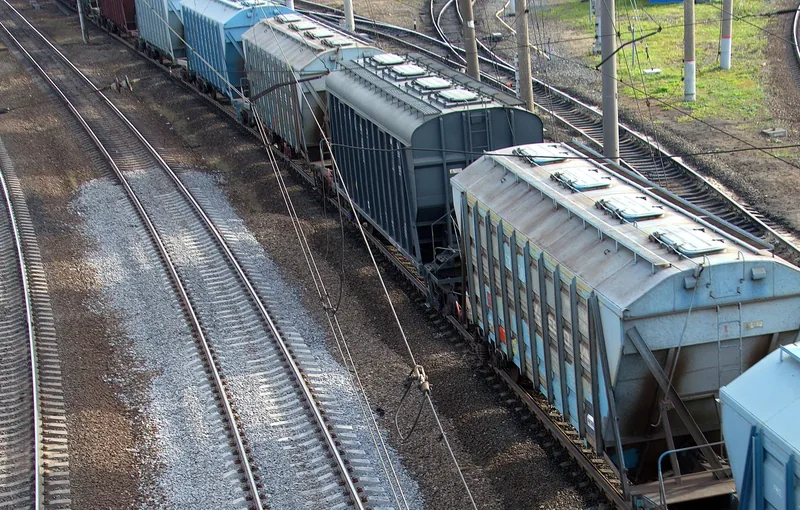
A locomotive engineer operates the train, while a conductor coordinates the crew's work and can handle duties involving the cargo or passengers. If you are comparing U.S. railroad jobs, check whether the opening is for freight, passenger service or yard work. The duties and schedule can differ across those assignments.
The engineer operates the locomotive
Locomotive engineers drive passenger or freight trains between stations and monitor instruments that report how the train is operating. They also watch the track ahead. On a freight train, the engineer needs to know what the train is carrying. The engineer and conductor communicate about changes in the train's condition so both can work from the same information. Bureau of Labor Statistics, Railroad Workers
The conductor's duties depend on the train
On passenger services, a conductor may make announcements or assist passengers. On freight trains, the conductor may help oversee the handling of freight. In a rail yard without a yardmaster, a conductor may also take on responsibilities that would otherwise belong to the person organizing yard work. If a listing simply says “conductor,” ask where most shifts start and what you would be expected to coordinate. Bureau of Labor Statistics, Railroad Workers
Compare training and schedules before applying
Railroads can operate at night and on weekends. Long routes may require time away from home, while shorter passenger routes can offer more predictable schedules. Both engineers and conductors need certification, and the employer conducts the applicable training and certification process. Many engineers first work as conductors or yardmasters. Ask an employer how trainees get their first assignments and whether the posted schedule reflects what a new employee is likely to work. Bureau of Labor Statistics, Railroad Workers